
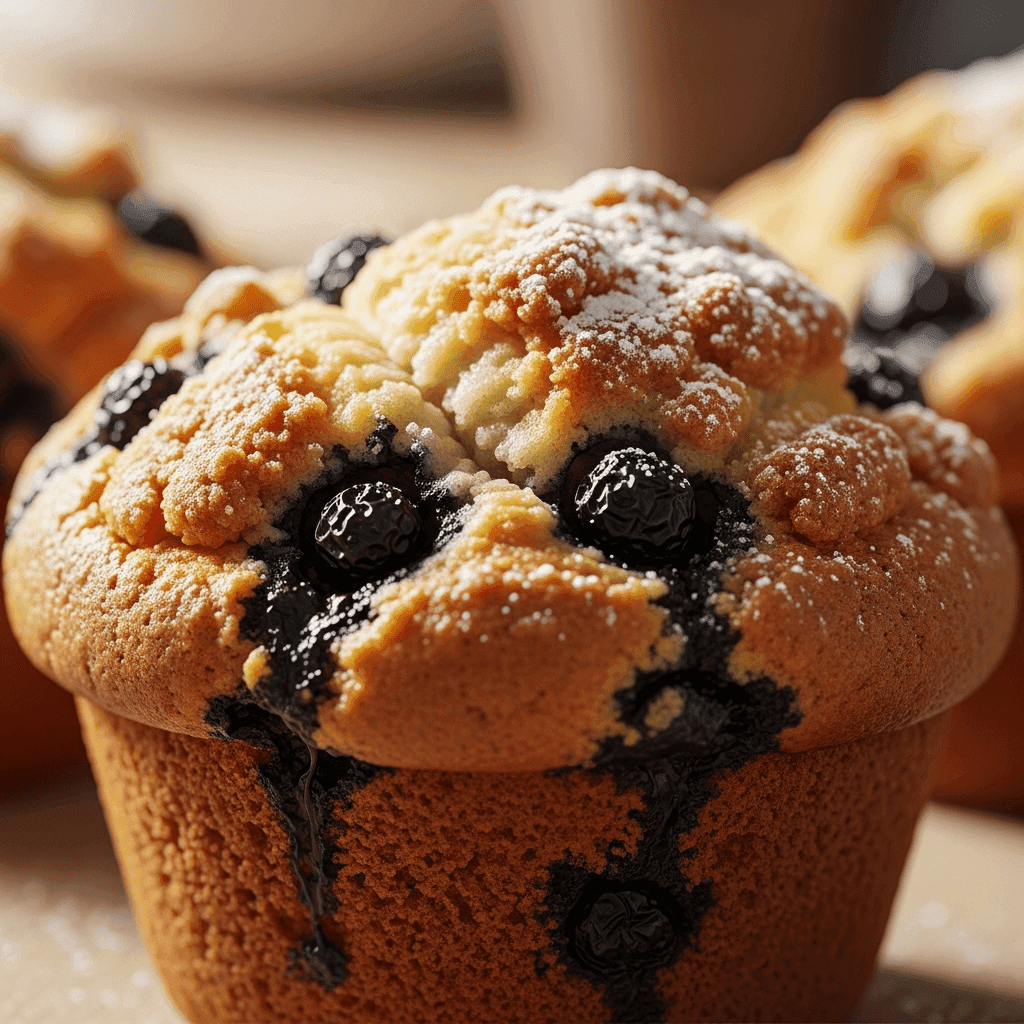
The blueberry muffin, a seemingly simple combination of flour, sugar, butter, and berries, has secured its place as a beloved baked good in cafes, bakeries, and homes across the globe. But its ubiquitous presence belies a rich history and a surprisingly complex culinary profile. This article delves into the origins, evolution, and enduring appeal of the blueberry muffin.
A History Baked in Tradition
While the modern blueberry muffin is a relatively recent invention, its roots lie in earlier forms of quick breads popular in North America.
From Cornmeal to Convenience
Early American colonists relied heavily on cornmeal for baking, leading to the creation of cornmeal muffins. These were often denser and less sweet than their modern counterparts. The advent of chemical leaveners like baking powder and baking soda in the 19th century revolutionized baking, making it easier and faster to produce light and airy baked goods. This paved the way for the development of the blueberry muffin as we know it.
The Rise of the Blueberry
The abundance of wild blueberries in North America, particularly in the northeastern states and Canada, played a crucial role in the muffin's popularity. These small, intensely flavored berries provided a readily available and delicious ingredient. Recipes for blueberry muffins began appearing in cookbooks in the early 20th century, solidifying their place in the American culinary landscape. Fannie Farmer's Boston Cooking-School Cook Book, a cornerstone of American cuisine, featured early versions of the recipe.
The Modern Muffin: A Culinary Chameleon
Today, the blueberry muffin exists in countless variations, reflecting regional preferences and evolving culinary trends.
From Simple to Sophisticated
While a basic blueberry muffin recipe remains relatively straightforward, bakers have experimented with a range of additions and techniques. Common variations include:
- Streusel Toppings: A crumbly mixture of flour, butter, and sugar adds texture and sweetness to the muffin tops.
- Lemon Zest: The bright, citrusy flavor of lemon complements the sweetness of the blueberries.
- Cream Cheese Filling: A swirl of cream cheese adds richness and tanginess to the center of the muffin.
- Different Flours: Substituting all-purpose flour with whole wheat or almond flour adds nutritional value and alters the texture.
Nutritional Considerations
Blueberry muffins, while delicious, are often high in sugar and fat. However, they can also be a source of antioxidants from the blueberries themselves. The nutritional content varies significantly depending on the recipe and ingredients used. Healthier versions can be made by reducing the amount of sugar and fat, using whole wheat flour, and incorporating other nutrient-rich ingredients.
The Enduring Appeal
The blueberry muffin's enduring appeal lies in its versatility, accessibility, and comforting familiarity. It's a quick and easy breakfast option, a satisfying snack, and a welcome addition to any brunch spread. Its simplicity allows for endless customization, making it a favorite among home bakers and professional chefs alike. The combination of sweet, tangy blueberries and a soft, crumbly texture creates a sensory experience that resonates with people of all ages.
In conclusion, the blueberry muffin is more than just a baked good; it's a symbol of American culinary tradition and a testament to the enduring power of simple ingredients transformed into something extraordinary. Its history, adaptability, and comforting flavor ensure its continued popularity for generations to come.