
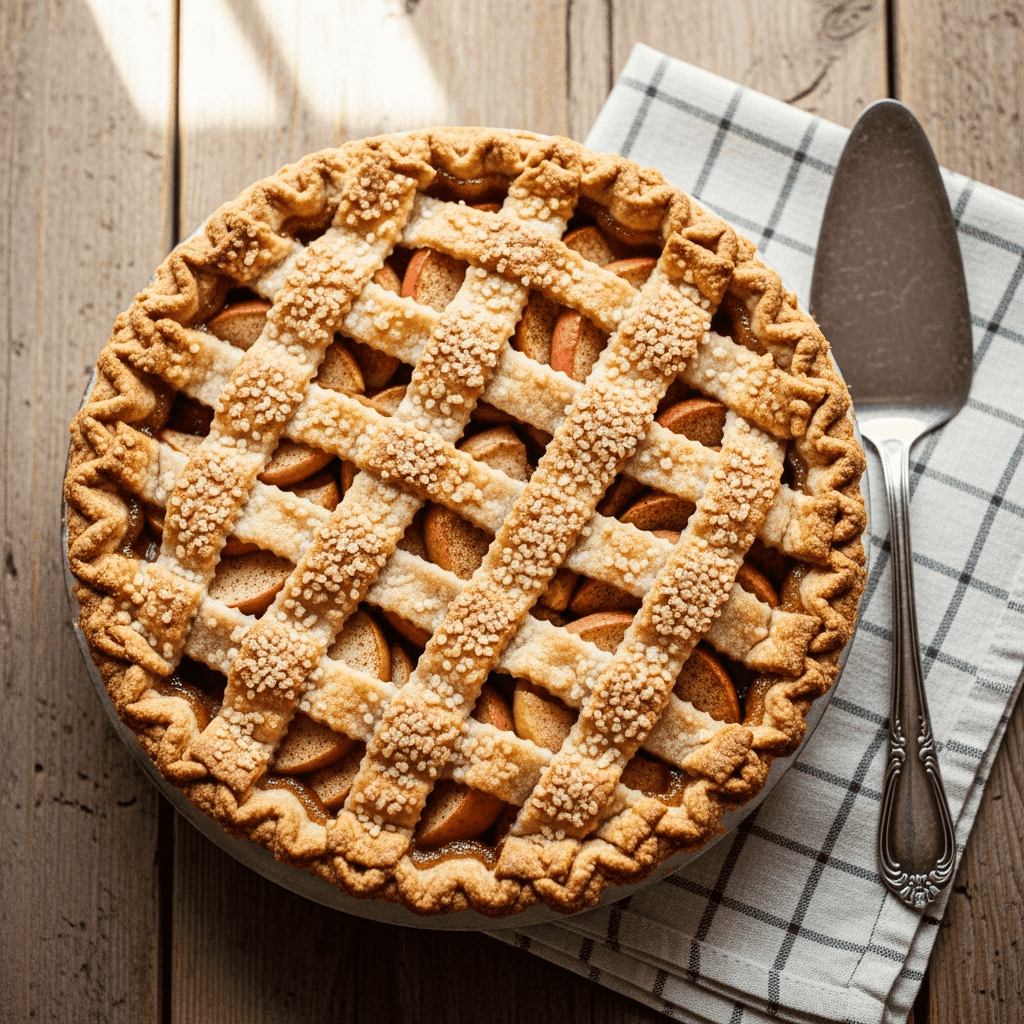
Pie. The very word evokes images of cozy kitchens, holiday gatherings, and the comforting aroma of warm spices and baked fruit. More than just a dessert, pie is deeply embedded in the American cultural landscape, a symbol of tradition, celebration, and the simple joys of home. From its practical origins to its modern artisan interpretations, the story of American pie is a delicious journey through history and innovation.
While the concept of pie existed in ancient civilizations, the version we know and love today arrived on American shores with English settlers. Early pies were often savory, filled with meats and vegetables. These early iterations featured a thick, often inedible crust designed primarily to contain the filling during cooking. The crust served a functional purpose, less focused on palatable enjoyment.
However, as the colonies flourished, so did the availability of fruits and sweeteners. Apple orchards, in particular, thrived, leading to the rise of sweet pies. Apple pie gradually became synonymous with American identity. This proliferation of sweet pies marked a turning point, transforming pie from a practical food source to a beloved dessert.
Throughout the 19th and 20th centuries, pie's popularity continued to soar, solidifying its place as a cornerstone of American cuisine. It became a staple at holidays, family dinners, and community events, cementing its role as a symbol of comfort and togetherness.
Today, pie remains a significant part of the American diet. Americans spend a staggering \$700 million annually on pies in grocery stores alone. Apple pie consistently reigns supreme as the most popular flavor, but classics like pumpkin pie, pecan pie, cherry pie, and blueberry pie also hold strong positions in the national pie hierarchy.
Beyond national favorites, regional variations showcase the diversity of American pie-making. Florida boasts the tangy Key Lime Pie, while the Southern US offers the simple yet satisfying Chess Pie, a custard creation made with butter, sugar, eggs, and flour. Pennsylvania Dutch Country contributes the unique Shoofly Pie, a molasses crumb pie with a distinctive flavor profile.
The world of American pie is constantly evolving, embracing new trends and techniques. Artisan pies, crafted with high-quality, locally sourced ingredients and handcrafted crusts, are gaining popularity. Savory pies are experiencing a resurgence, with chefs and home cooks experimenting with fillings like chicken pot pie, shepherd's pie, and vegetable medleys. Mini pies and hand pies cater to the demand for convenience and portability, while vegan and gluten-free options address evolving dietary needs and preferences.
The foundation of any great pie lies in its crust. A blend of flour, fat, salt, and water, the crust requires careful attention to detail and a mastery of technique. Fillings are equally diverse, ranging from fruit-based delights to rich custard and creamy concoctions. Proper baking techniques, including blind baking for custard pies, are crucial for achieving a perfectly golden-brown crust and a thoroughly cooked filling.
Organizations play a vital role in promoting the art and enjoyment of pie. Through research, recipes, and events, they foster a community of pie enthusiasts and celebrates the enduring appeal of this classic American dessert.
From its humble beginnings as a practical food source to its modern artisan interpretations, pie remains a beloved and evolving part of American culinary culture. With its diverse flavors, regional variations, and innovative techniques, pie continues to offer a comforting and delicious experience, ensuring its place on the American table for generations to come.