
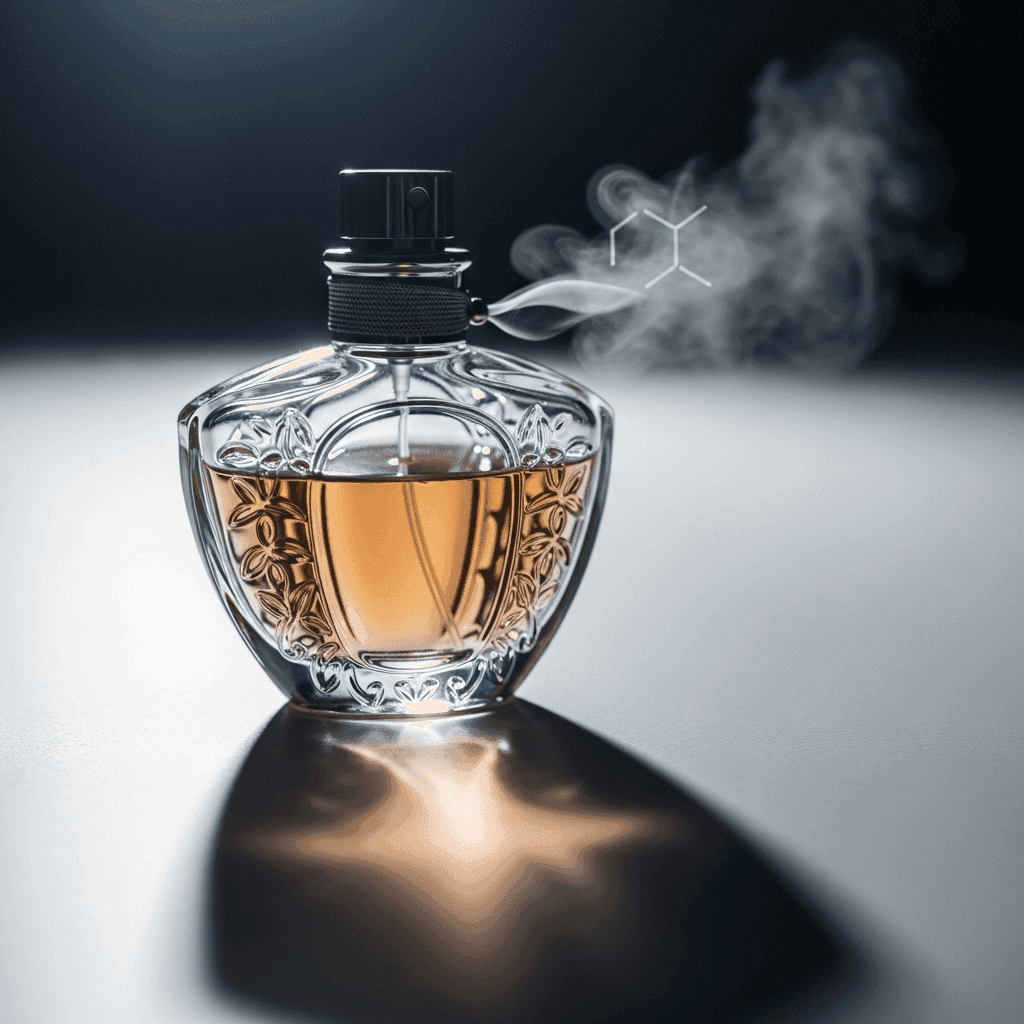
For many, perfume is an essential part of their daily routine, a finishing touch that evokes confidence and allure. But behind these captivating scents lie complex chemical concoctions, raising concerns about potential health risks, including the presence of carcinogens. While the fragrance industry often operates with limited transparency due to trade secrets, a closer look reveals potential hazards that consumers should be aware of.
Perfumes are intricate mixtures, often comprised of dozens, even hundreds, of different natural and synthetic fragrance ingredients. This complexity, coupled with limited ingredient transparency, makes it difficult to fully assess potential health implications. Due to trade secret protections, manufacturers are not always required to disclose every chemical component, leaving consumers unsure about what they are applying to their skin.
So, what are the potential culprits? Several fragrance ingredients have raised concerns among researchers and health advocates. Phthalates, used as fragrance stabilizers and solvents, are a primary concern. Certain phthalates have been classified as possible human carcinogens. Synthetic musks are also under scrutiny. While not directly classified as carcinogens, these persistent environmental pollutants have shown potential endocrine-disrupting effects, which can indirectly contribute to cancer risk by interfering with hormone function. Formaldehyde, a known human carcinogen, can also be released over time by certain preservatives and fragrance ingredients. Furthermore, benzene, another recognized carcinogen, can be present as a contaminant in some fragrance ingredients derived from petroleum.
The regulatory landscape surrounding fragrance ingredients is complex and varies globally. The International Fragrance Association (IFRA) acts as a self-regulating body, setting standards for the safe use of fragrance ingredients. However, compliance with IFRA standards is voluntary. The European Union (EU) has stricter regulations on cosmetic ingredients, including fragrances, banning or restricting the use of substances known or suspected to be harmful under the EU Cosmetics Regulation. In contrast, the United States Food and Drug Administration (FDA) relies heavily on industry self-regulation and does not require fragrance ingredients to be listed on product labels if they are considered trade secrets. California Proposition 65 requires businesses to provide warnings about significant exposures to chemicals that cause cancer, birth defects, or other reproductive harm, potentially including certain fragrance ingredients.
Beyond the potential for cancer, fragrances are a common cause of allergic reactions and skin sensitization. Furthermore, the endocrine-disrupting potential of some fragrance ingredients raises concerns about hormone-related health issues. Organizations have conducted studies analyzing fragrance ingredients and highlighting potential health hazards, providing valuable information to consumers.
While specific statistics directly linking fragrance use to cancer may be limited, organizations have indicated that certain phthalates are associated with adverse health effects. Databases offer ratings for cosmetic products based on ingredient safety, offering insights into the potential hazards of various fragrances.
So, what can consumers do to protect themselves? Advocating for greater transparency in fragrance labeling is crucial, allowing for more informed choices. Consider opting for fragrance-free products or those scented with natural essential oils instead of synthetic fragrances. Utilize resources to research the safety of specific fragrance ingredients.
While the alluring scents of perfume may be enticing, understanding the potential risks associated with their ingredients is paramount. By demanding greater transparency and choosing safer alternatives, consumers can minimize their exposure to potential carcinogens and prioritize their health. Further research is essential to fully understand the long-term health effects of fragrance ingredients and to develop more comprehensive safety regulations, ensuring that the pursuit of beauty does not come at the expense of well-being.